Organisation:
SouthSouthNorth

Organisation:
SouthSouthNorth

SouthSouthNorth (SSN) is a non-profit organisation sharing two decades of experience in the fields of climate change and social development. We directly pursue structural poverty reduction in sub-Saharan Africa, Asia and Latin America by building Southern capacity and delivering community based mitigation and adaptation projects.

Most recent content from this organisation

Active
Project
Active
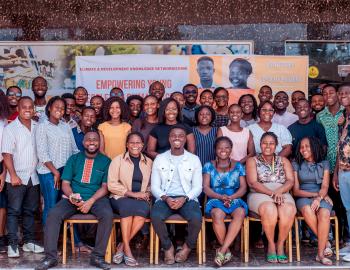
Climate Activist Programme in Ghana

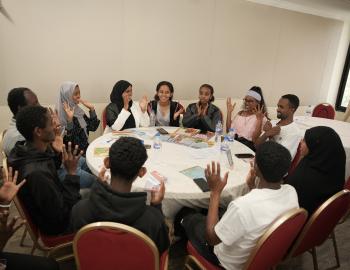
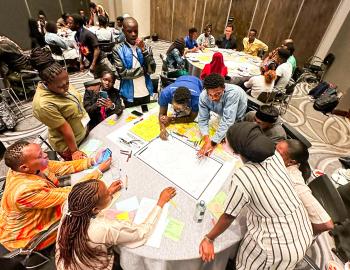
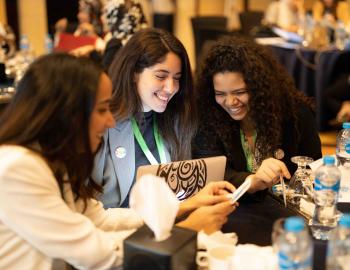
Young people across Africa are emerging as powerful drivers of climate innovation, advocacy, and community mobilisation, yet many still face barriers such as limited access to technical knowledge, mentorship, financial literacy, institutional support, and practical pathways to scale their impact. The Climate Activist Programme (CAP) was launched in 2024 to close these gaps, and its current edition, CAP 3.0: Skills to Scale for Resilience, builds on the lessons of CAP24 and CAP25 with a multidisciplinary, experiential approach spanning climate science, policy, leadership, project management, climate finance, entrepreneurship, storytelling, and creative advocacy. 

Active
Project
Active
Youth in Climate Action Small Grants Initiative in Ethiopia

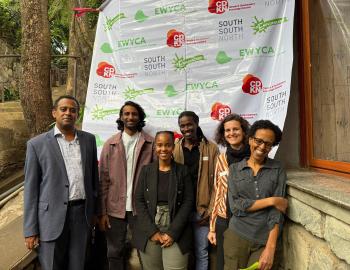
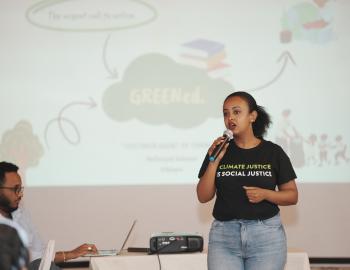
CDKN Ethiopia supports gender-equitable and socially inclusive climate-resilient action by strengthening the capacities and leadership of government and youth partners. From 2023, youth groups participated in Ethiopia's Gender Equality and Social Inclusion and Climate Change Community of Practice. A youth-led assessment subsequently mapped climate and environmental initiatives in Addis Ababa and identified limited access to finance, organisational capacity and networking opportunities as major barriers to youth-led action.
Active
Project
Active
Locally led adaptation: Priority area

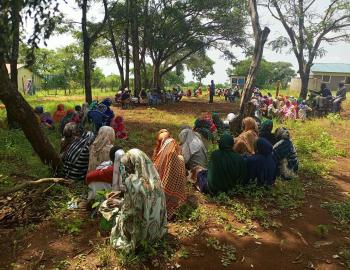
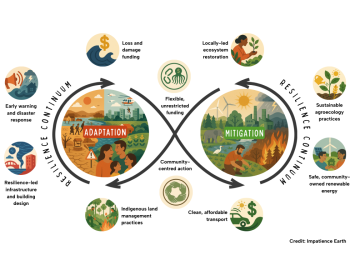
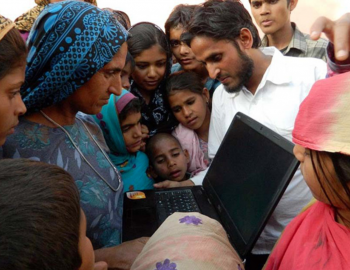
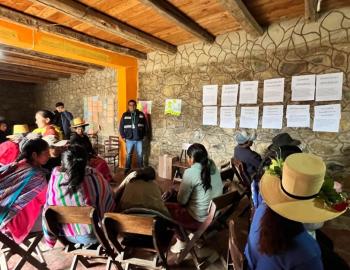
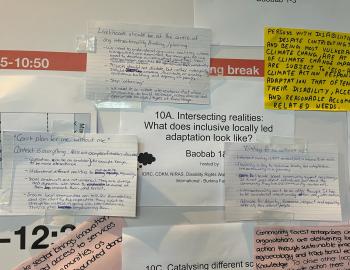
The risks faced by people and ecosystems in a changing climate vary from one locality to another. It’s partly a question of physical geography and partly a question of the human factors – social, economic, cultural – that make people resilient or vulnerable to climate hazards. That is why adaptation should be locally led. Adaptation is most effective when it is centred on people’s human rights and driven by the knowledge and needs that local people, especially the most marginalised groups, bring to the table.