Enhancing resilience in Ethiopia’s Simien Mountains through community-led ecosystem-based adaptation
Enhancing resilience in Ethiopia’s Simien Mountains through community-led ecosystem-based adaptation
Across Ethiopia, climate change is increasing the frequency and severity of droughts, land degradation and water stress, threatening the livelihoods of rural communities that rely heavily on agriculture and natural resources. Building resilience to these impacts requires approaches that strengthen local capacity, support sustainable livelihoods and enable communities to lead adaptation efforts that reflect their priorities and realities.
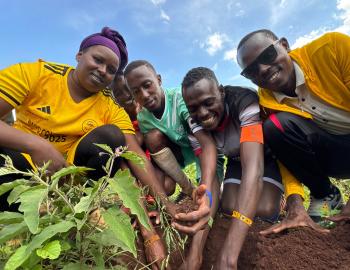
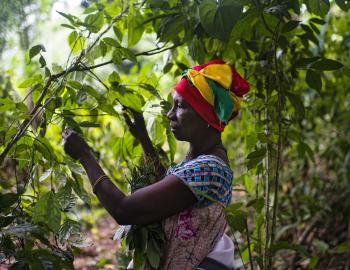
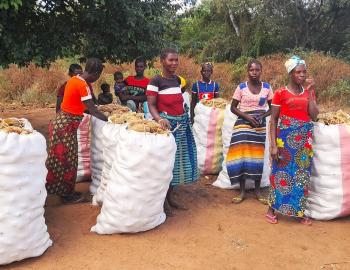
This case study explores the RELIVES project, implemented by ORDA Ethiopia and CARE Ethiopia, and how it supported community resilience through locally led adaptation approaches. The learning story highlights efforts to strengthen climate resilience, improve natural resource management and support sustainable livelihood opportunities through community participation, partnership and locally driven action.
Key messages:
- Locally led adaptation approaches can strengthen community resilience by placing local priorities, knowledge and leadership at the centre of decision-making.
- Strong collaboration between communities, local institutions and implementing partners supported more sustainable and inclusive adaptation outcomes.
- Climate-resilient livelihood practices helped communities respond to climate-related shocks while improving income opportunities and food security.
- Capacity-strengthening and knowledge-sharing supported communities to implement context-specific adaptation solutions.
- Inclusive participation helped ensure that adaptation processes reflected the needs and experiences of different groups within communities.
- Long-term resilience-building requires sustained partnerships, local ownership and investment in community capacity.
This case study demonstrates how community-led EbA efforts can support climate resilience while strengthening livelihoods, participation and sustainable development outcomes. It also highlights the importance of partnership approaches that value community knowledge and support locally driven solutions to climate challenges.
For more, read the full learning story here.