
Acting locally for global impact: Advancing biodiversity and climate action through rights, knowledge and governance
Acting locally for global impact: Advancing biodiversity and climate action through rights, knowledge and governance
Biodiversity loss and climate change are deeply interconnected crises that require equally interconnected solutions. The Kunming–Montreal Global Biodiversity Framework (GBF), however, provides a shared roadmap to halt and reverse biodiversity loss, with ambitious targets that recognise the central role of people, rights, and governance systems.
For International Day for Biological Diversity, let us reflect on how CDKN's work aligns closely with this agenda: supporting locally led, rights-based approaches that integrate biodiversity and climate action, while ensuring that the voices and leadership of Indigenous Peoples and local communities shape decision-making from the local to the global level.
A shared agenda for biodiversity, climate and people
Biodiversity is the foundation of human wellbeing. Healthy ecosystems regulate climate, support livelihoods, and buffer communities against climate shocks. However, biodiversity loss is accelerating at rates of 2-6% per decade, driven by climate change, land-use pressures, and inequitable development pathways.
Climate responses, therefore, need to recognise the important and interlinking role of nature and people in achieving both adaptation and mitigation goals. Actions that restore ecosystems while strengthening community rights and leadership can deliver powerful co-benefits for both people and nature. Experience from CDKN and its partners has shown that ecosystem-based adaptation (EbA) and other nature-based solutions (NbS) can deliver long-term gains, but only where they are shaped by local priorities and grounded in local realities.
Rights at the heart of climate and biodiversity action
A growing body of evidence shows that Indigenous Peoples and local communities are among the most effective stewards of biodiversity. Lands under their management often have equal or higher ecological integrity compared to protected areas. However, these communities frequently face insecure land tenure, marginalisation in decision-making, and disproportionate exposure to climate risks.
Putting rights at the centre is therefore essential. For CDKN, this means supporting approaches that recognise and strengthen land and resource rights, enable meaningful participation in climate and biodiversity governance, promote equitable benefit-sharing from climate and nature finance, and address gender and social inclusion across scales. Importantly, these rights-based approaches ensure that climate and biodiversity initiatives do not replicate historical inequities but instead contribute to more just and resilient futures.
Valuing Indigenous and local knowledge systems
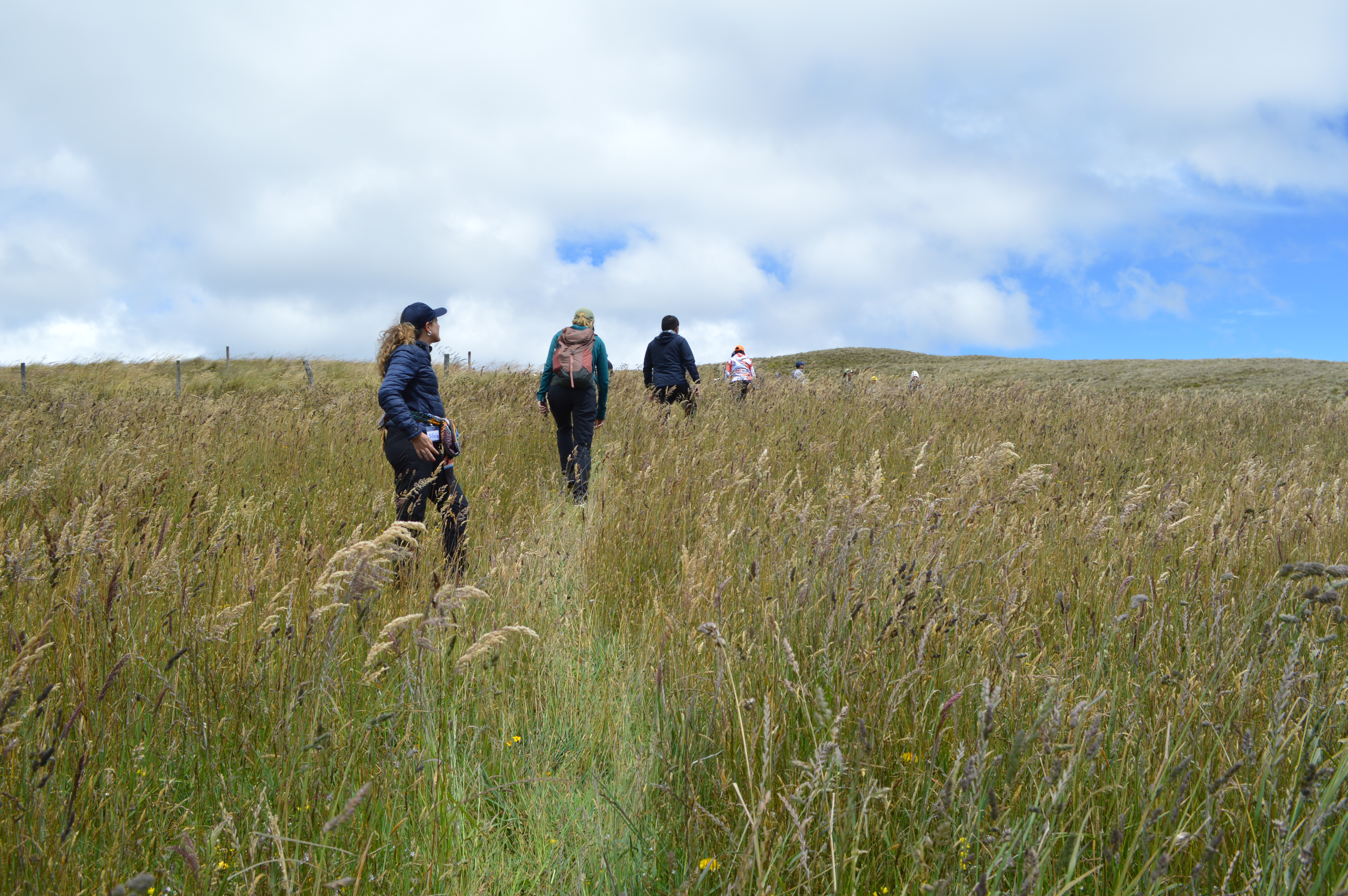
Indigenous and local knowledge systems are rich, dynamic, and deeply embedded in ecosystems. They offer insights into species behaviour, seasonal cycles, landscape management, and risk mitigation that cannot be replicated by external interventions alone. Yet too often, these knowledge systems are sidelined or tokenised in policy and practice, despite evidence of the need for more ethical and equitable engagement with these systems in climate governance.
CDKN supports efforts to bridge knowledge systems, creating spaces where scientific and Indigenous knowledge can inform each other on equal terms. This work includes the co-production of climate and biodiversity information and services with communities; participatory planning processes that centre local priorities and lived experience; documentation and protection of traditional ecological knowledge, while respecting intellectual property and cultural sensitivities. Crucially, this is not about extracting knowledge, but about recognising knowledge holders as decision-makers and partners.
Biodiversity stewardship as locally led action
Stewardship, which is the long-term care and governance of land, water and biodiversity, is a cornerstone of both climate adaptation and mitigation. Across diverse landscapes, communities are already implementing stewardship practices that enhance resilience.
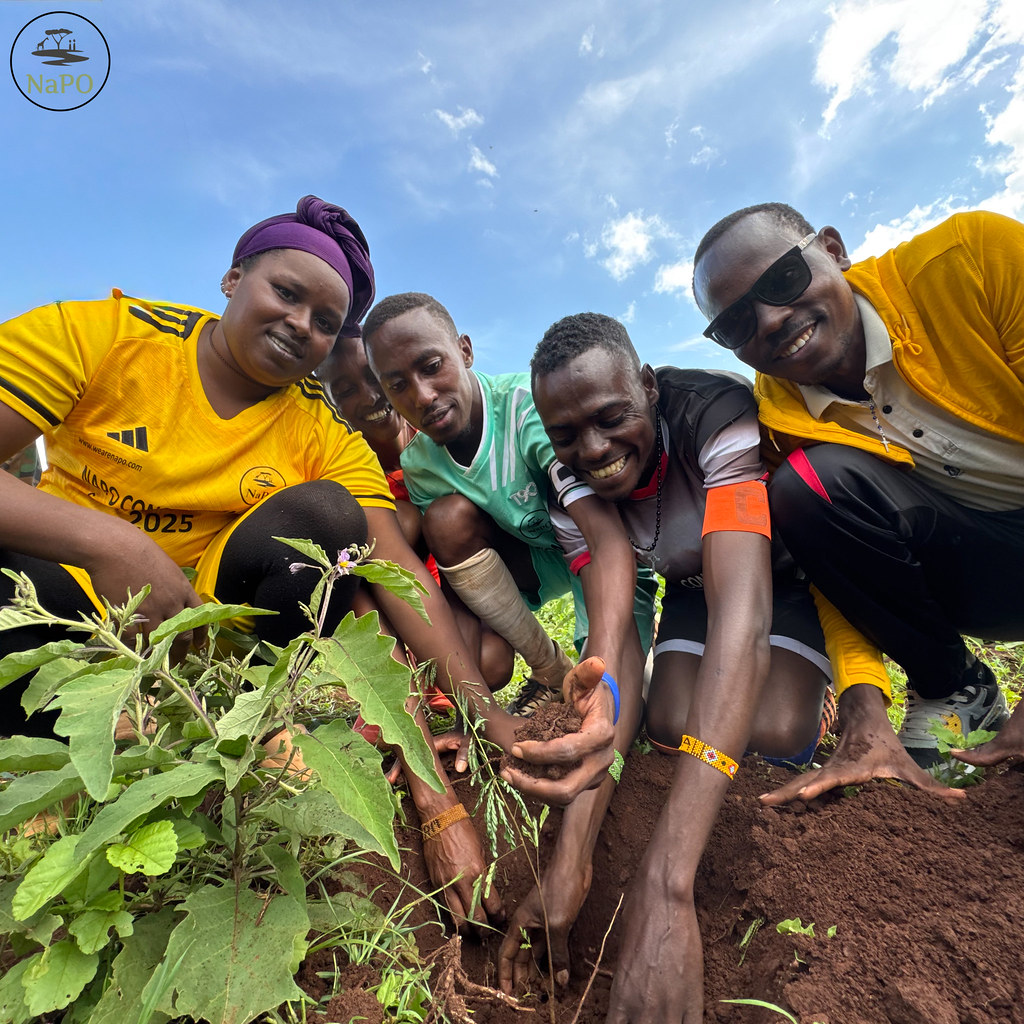
CDKN is working with partners in the Global South to support these locally led initiatives. In Kenya, for example, the work of Nature and People as One is restoring degraded rangelands through herder-led conservation. While in Peru, Ecuador and Colombia, the work of CDKN alliance partner Fundación Futuro Latinoamericano supports managing water resources through traditional and adaptive practices. Further examples of stewardship include those that leverage local innovations for maintaining agrobiodiversity and climate-resilient farming, and supporting community-based organisations like Survie de la Mère et de l'Enfant to protect sacred natural sites and culturally significant landscapes in Benin.
These practices embody the principles of locally led adaptation: they are context-specific, inclusive, and responsive to changing conditions. Supporting and scaling such stewardship is therefore central to advancing biodiversity conservation. At CDKN, we are working with partners to identify, amplify, and learn from these practices, ensuring they inform national and global climate strategies.
Transforming finance from flows to fairness
While the ambition of the GBF is clear, financing remains a critical barrier. Too little climate and biodiversity finance reaches the local level, and existing systems often reinforce inequality. Between 2011 and 2020 less than 1% of climate finance flows to developing countries went to securing Indigenous Peoples and local communities land tenure and role in forest management.
CDKN’s work on finance for resilience and rights-based finance highlights a key insight:
it is not just the volume of finance that matters, but how it is governed. Current financial systems often concentrate decision-making power and fail to reach those most affected. A rights-based approach to finance shifts the paradigm by recognising communities as rightsholders, not beneficiaries, and embedding participation, accountability, and equity into funding decisions. This can be facilitated by enabling direct access to finance and supporting territorial governance.
CDKN is actively working to reshape finance systems – through initiatives that strengthen access, build capacity, and influence global finance debates – ensuring that funding supports the people and practices that sustain biodiversity.
Looking ahead to transformation
The theme of this year’s International Day for Biological Diversity is 'acting locally for global impact'. For CDKN, this means deepening our commitment to approaches that recognise the interdependence of nature, climate and people, and that place rights, knowledge and stewardship at the centre.
The path forward is already being charted by communities on the frontlines. The challenge is to listen, support, and shift systems to enable their leadership – but this is also an opportunity. By embracing locally led approaches grounded in rights and Indigenous knowledge, we can both protect biodiversity and build climate-resilient societies that leave no one behind.