CDKN: 15 years of bridging knowledge and climate action
CDKN: 15 years of bridging knowledge and climate action
As announced here, CDKN will close its doors in March 2027.
While CDKN legacy activities will continue in several of our focal countries and the relationships, capacities and institutional changes built over the past 15 years will endure, CDKN in its current form will end.
Before that happens, we wanted to take a moment to reflect on the journey that brought us here.
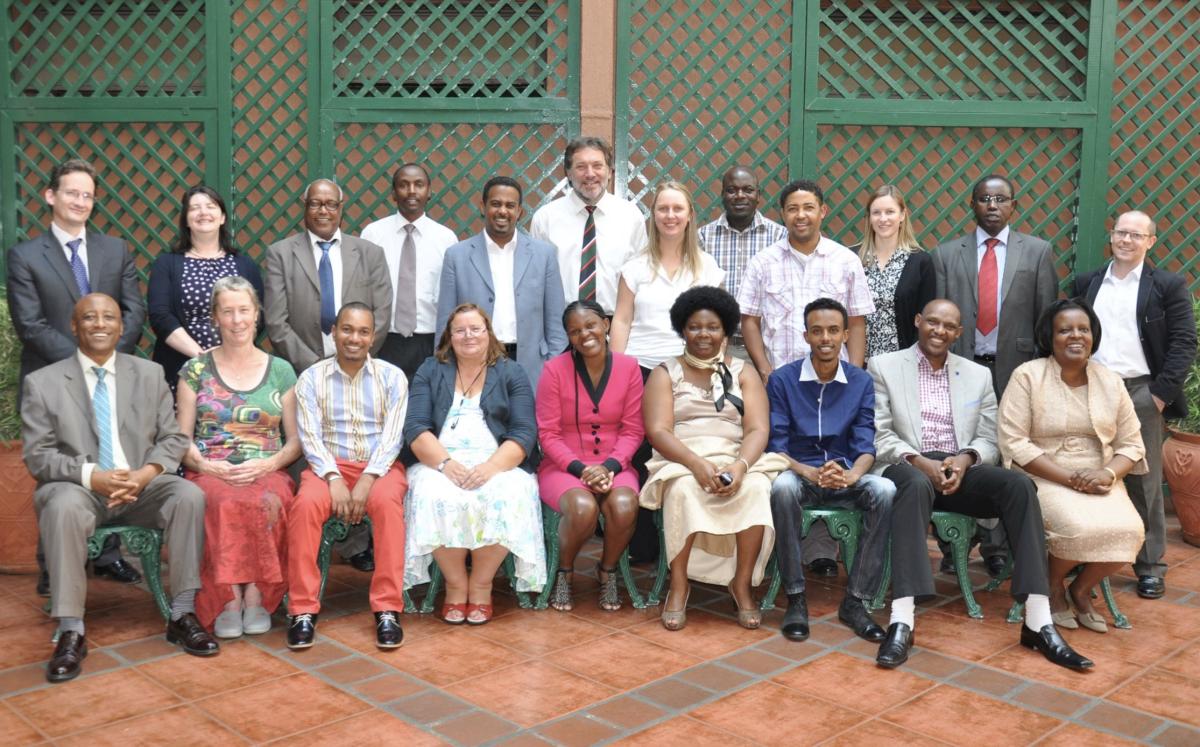
The world has changed considerably since CDKN began in 2010. There was no Paris Agreement and no Nationally Determined Contributions (NDCs). Back then, countries were laying the groundwork for climate action. And so, under Sam Bickersteth’s leadership, we worked with governments to develop climate policy frameworks and integrate climate change into national and subnational development planning processes in more than 30 countries.
At the subnational level, we supported over 20 cities to develop adaptation plans, most notably the historic city of Cartagena in Colombia. We contributed to some of the first heat action planning in South Asia, including the pioneering Ahmedabad Heat Action Plan, which reduced heat-related mortality from 1,300 in 2010 to seven deaths during a comparable heatwave in 2015.
Once the Paris Agreement came into force, we turned our attention to supporting countries to develop their Intended Nationally Determined Contributions and later their NDCs, producing a quick-start guide to NDC implementation that remains one of our most downloaded resources. On the global stage, we strengthened the capacity and influence of developing country negotiators through our negotiations support programme.
On climate finance, we helped establish some of the first national climate funds, including Rwanda's Climate and Environment Fund. We also supported readiness and accreditation to the Adaptation Fund and later the Green Climate Fund, and helped countries like Pakistan explore innovative disaster risk financing and insurance approaches.
CDKN's guiding idea was ‘climate-compatible development’. We made the case that tackling climate change could not be separated from human development and poverty reduction, at a time when climate action and socio-economic development were viewed as distinct agendas. We argued that effective climate action should contribute to development outcomes, while development pathways themselves needed to become more climate resilient and low carbon.
Then, in 2018, CDKN entered a new phase. PricewaterhouseCoopers (PwC), the organisation that had led CDKN since 2010, handed leadership over to SouthSouthNorth (SSN), an African NGO based in Cape Town at the southern tip of the continent. With this transition, SSN became the convener of a three-part Southern-led alliance.
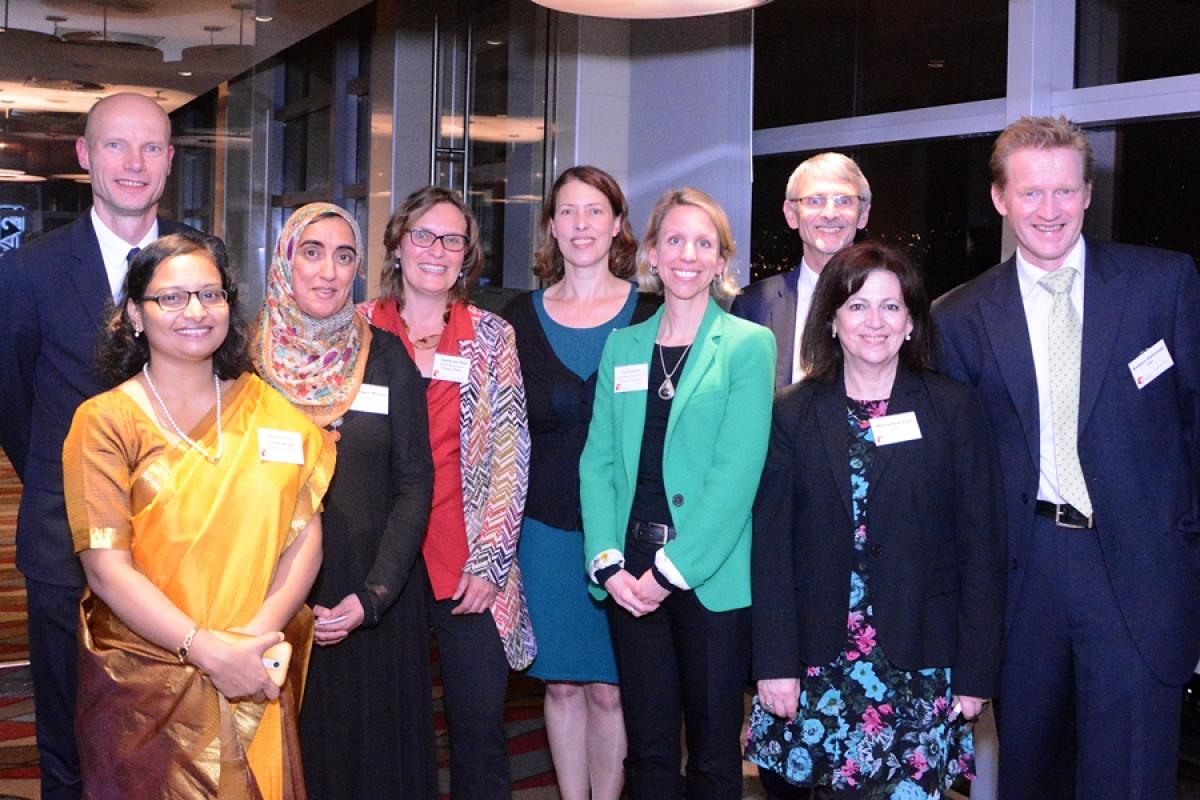
Each alliance partner brought distinct strengths and extensive experience. SSN has been part of the CDKN alliance from the start, bringing a deep understanding of climate and development challenges across Africa and a commitment to South-South exchange and equitable global cooperation. Another founding member of the alliance, Fundación Futuro Latinoamericano (FFLA), contributed its long-standing expertise in territorial governance, dialogue and territorial sustainability across Latin America. ICLEI South Asia joined as the new Asia lead, bringing close relationships and extensive networks with local governments and practical experience in urban resilience and climate implementation. So, CDKN, a Southern-led global alliance, was born. Led by Dr Shehnaaz Moosa at SSN, Marianela Kuri and later Pablo Lloret at FFLA, and Emani Kumar at ICLEI South Asia, we began to occupy the niche we still do today: bridging knowledge and climate action.
We have maintained many of CDKN's founding principles: a commitment to the wellbeing of those most affected by climate change, aligning climate action with development priorities, and championing locally led approaches. But as the climate landscape evolved, so too did we. Countries moved from developing policies and plans to implementing them, and new questions emerged. It was no longer enough to ask what climate action was needed; we progressively focused on how it was delivered, who benefitted, and who might be left behind.
We became increasingly concerned with questions of equity, power, and the meaningful participation and leadership of those experiencing the most marginalisation and exposure to climate risk. We recognised that the transition to climate-resilient development would create opportunities, but it would also create risks. We embedded gender equity and social inclusion (GESI) across our projects and ways of working, knowing that climate impacts, opportunities and decision-making power are unevenly distributed, and that inclusive processes lead to more durable, legitimate and effective outcomes.
We also came to deeply appreciate the role of healthy ecosystems in sustaining resilience, livelihoods, food systems, water security and human wellbeing. At the same time, we learned from the perspectives, knowledge and leadership of Indigenous Peoples and local communities, recognising their stewardship of ecosystems and their vital contributions to conservation and resilience.
Over the years, we've grown into our role and we've learned to take up space on the global stage. We've shown that Global South experiences, expertise and perspectives do not need permission to shape decisions affecting millions of climate-affected people in the majority world. Increasingly, our work has challenged whose knowledge is valued, whose voices are heard and who gets to define climate responses. We have centred human rights, the rights of nature, and Indigenous and local knowledge as fundamental to effective climate action.
In the process, we see that CDKN's greatest strength lies in how we work: bringing together unlikely allies, connecting diverse knowledge systems, and creating spaces where people can learn from one another and co-create solutions. Some of our most important work has been holding space for communities, Indigenous Peoples and local knowledge holders, researchers, governments and practitioners to navigate complexity together. All of this we understand as knowledge brokering.
None of this would have been possible without the support of long-term funding partners. The Ministry of Foreign Affairs of the Netherlands (MoFA) and Canada's International Development Research Centre (IDRC) played a pivotal role in supporting CDKN's transition to a Southern-led alliance in 2018, investing around US$19 million to date. MoFA has supported CDKN since its inception, making it one of the alliance's longest-standing donors. MoFA and IDRC have been far more than funding partners. They have been our allies and champions all along the way, providing strategic guidance and trust-based, flexible and long-term support we’ve needed to ensure our work responds to local needs and priorities.
Our impact
Numbers never tell the whole story, but they do reveal something about the scale of what can be achieved through trust-based partnerships and local leadership.
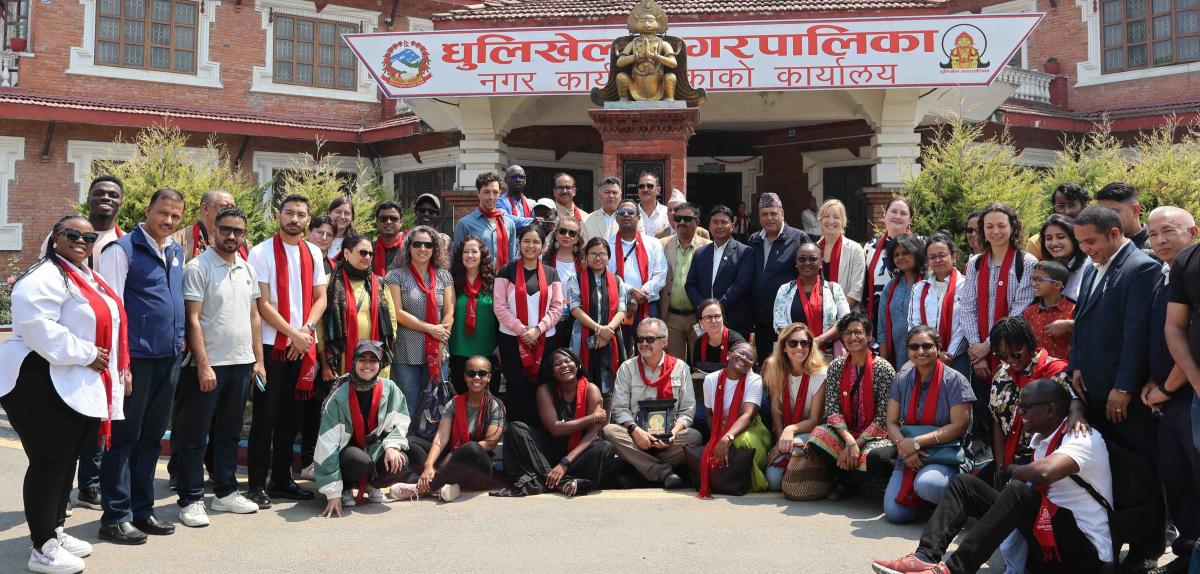
Since 2018, across Africa, Asia and Latin America, CDKN has brought 16,256 people together to share knowledge, co-create and learn; mobilised hundreds of strategic partnerships; strengthened the capacities of 1,455 institutions; and co-created 548 knowledge products. Today, 75% of CDKN's knowledge products are authored or co-authored by experts from the Global South, reflecting a deliberate effort to shift whose knowledge and expertise are valued.
But the more important story lies in the deeper systemic shifts behind the numbers. We have seen climate action move from pilots and awareness-raising towards stronger institutions and governance systems, new financing mechanisms, and locally owned implementation with tangible benefits for people and nature. Communities have restored and managed more than 1,150 hectares of land and ecosystems, almost 3,000 people directly benefit from improved river basin management, and more than 18 million people indirectly benefit from improved watershed stewardship through Water Funds in Latin America.
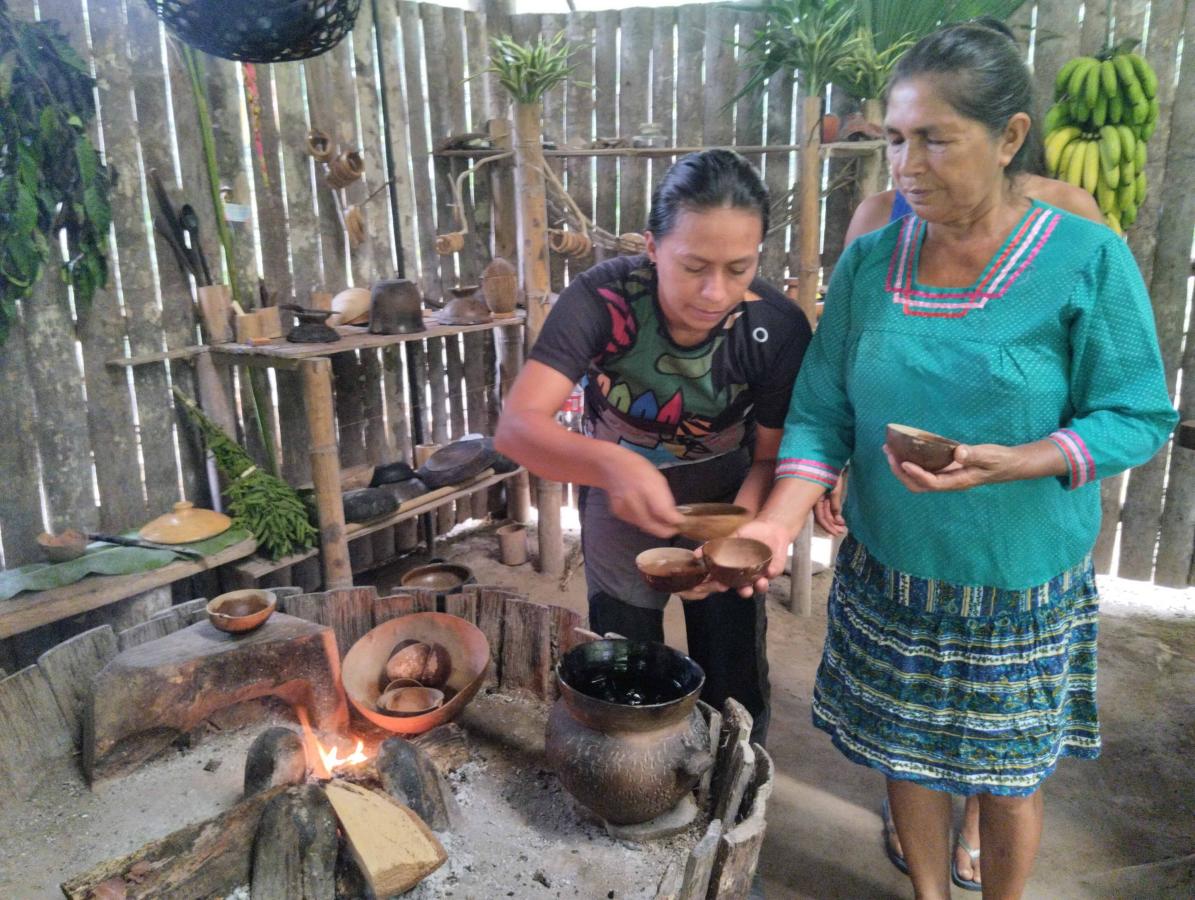
Meanwhile, CDKN has helped mobilise more than US$14.8 million for climate action, while also creating the enabling conditions for much larger flows of finance by strengthening local organisations, municipal governments and national systems. In Peru, the FORASAN Water Fund secured a permanent commitment from the Sechura Water Users' Association to allocate 3% of water tariffs to sustain and scale ecosystem-based adaptation and gender-responsive climate action in the Samanga community. In Kenya, the development of a climate finance monitoring tool is strengthening climate finance tracking, accountability and reporting.
Across regions, CDKN has supported the institutionalisation of more equitable climate action. In Ethiopia, the Ministry of Planning and Development is integrating GESI-responsive climate action through a mainstreaming guideline that helps technical staff routinely undertake GESI analysis, gender-responsive budgeting and vulnerability assessments when developing policy options.
In Benin, sacred forest governance is opening up space for women, young people and people with disabilities thanks to local NGO Survie. In secondary cities across Bangladesh, India, Nepal and Sri Lanka, equitable and inclusive local adaptation and disaster risk planning approaches are increasingly being incorporated into municipal planning processes. This work is changing the way authorities engage with communities and shifting mindsets about how different social groups experience climate risks and the benefits of climate action.
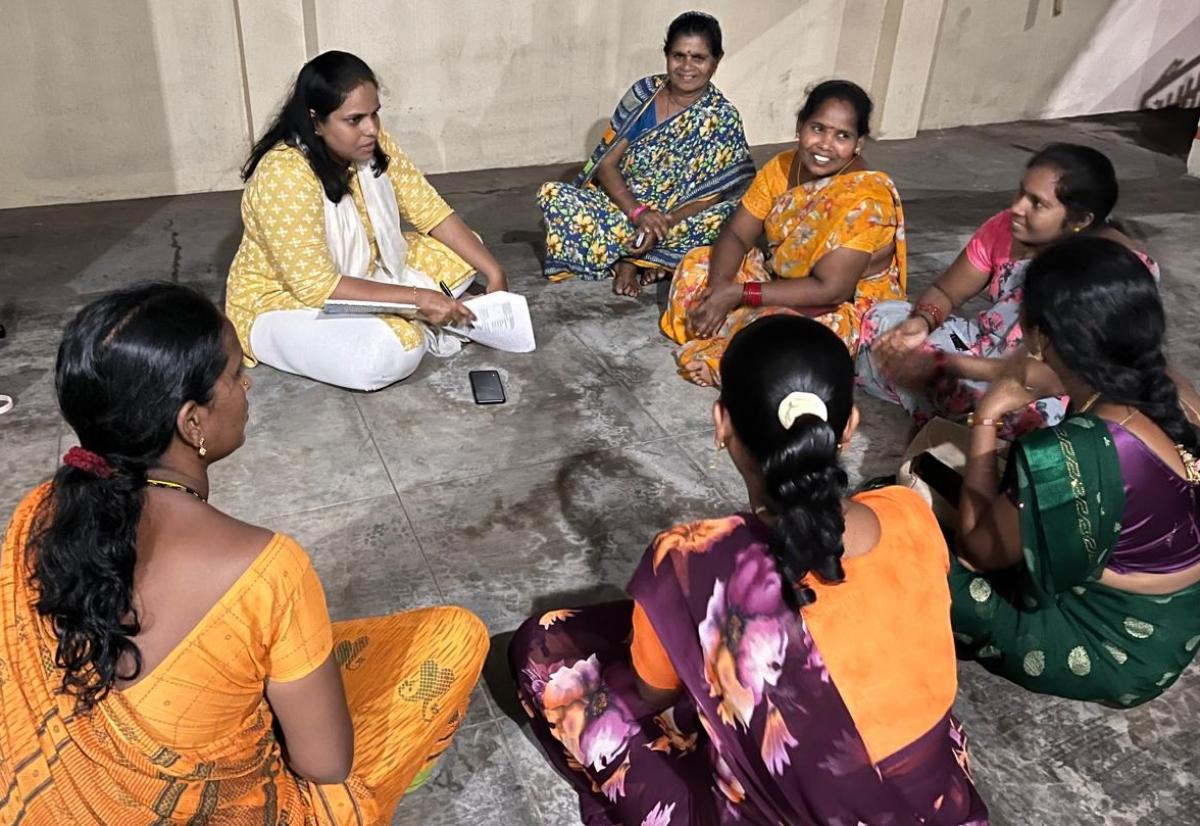
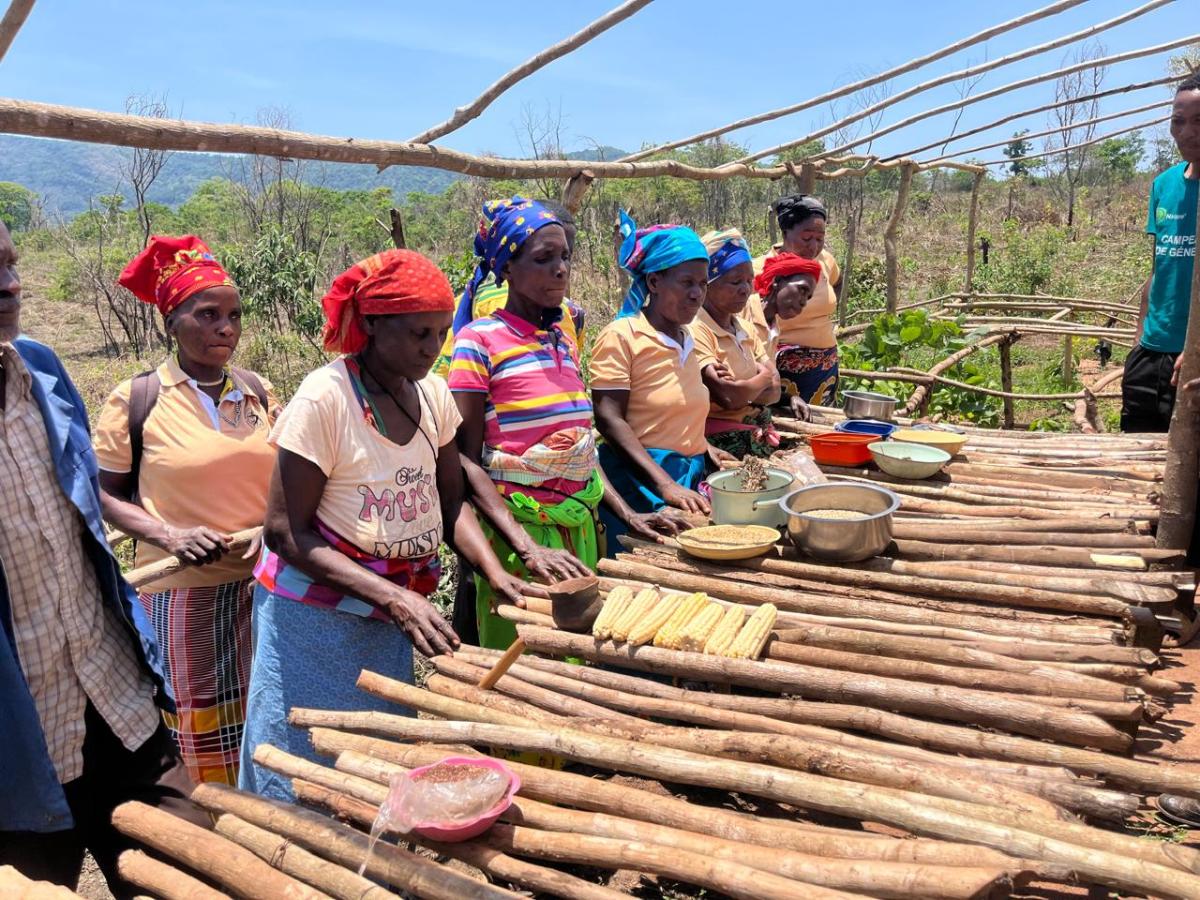
Some of the more intangible impacts have been among the most profound: shifts in confidence, agency and relationships. Women cattle farmers in Colombia developing new peer support networks and stepping into leadership roles in a traditionally male-dominated sector. Indigenous knowledge from San communities informing local climate plans in Namibia. Women's leadership strengthening in land-use planning, community seed systems and intergenerational knowledge exchange across 15 communities in Mozambique through the work of the Micaia Foundation.
In Ghana, CDKN helped build a youth-led climate action ecosystem that enabled connections across diverse institutions for young people to shape decisions, public discourse and action on the ground. Key elements have now been institutionalised, with the Ghana Library Authority hosting a national climate literacy platform, media partners embedding climate reporting into regular programming and providing platforms for young people, and the government increasingly integrating youth and community perspectives into climate planning like Ghana's NAP, NDC 3.0 and Action for Climate Empowerment processes.
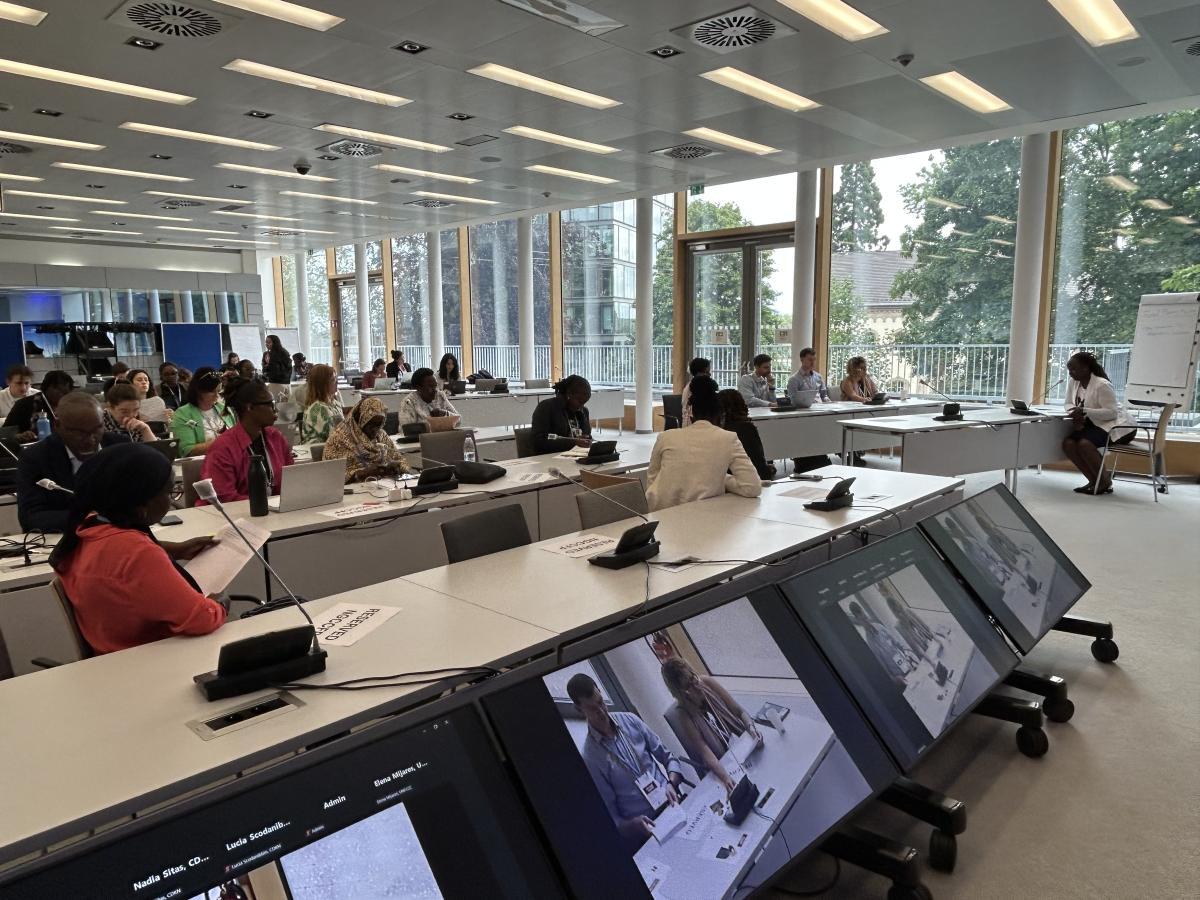
At the global level, CDKN helped ensure that evidence and experience from the Global South shaped global climate and biodiversity processes.
Through sustained engagement with the United Nations Framework Convention on Climate Change, the Convention on Biological Diversity, the Friends of Ecosystem-based Adaptation network, the Intergovernmental Science-Policy Platform on Biodiversity and Ecosystem Services, the Intergovernmental Panel on Climate Change and other international platforms, CDKN contributed to growing recognition of locally led adaptation, GESI and human rights-based approaches.
Increasingly, we have also helped bring our knowledge brokering and co-creation approaches into major international initiatives, including the UNFCCC's Needs-based Finance project.
Our work helped strengthen inputs into the new Belém Gender Action Plan, informed global guidance on ecosystem-based adaptation, and brought community, Indigenous and locally led perspectives into international discussions. CDKN's support and engagement with partners is helping drive a broader shift towards approaches that promote equitable and context-appropriate ecosystem-based adaptation. In turn, this is helping embed these principles within global frameworks, assessments and reporting processes under the Rio Conventions.
What comes next?
CDKN's journey has shown that effective climate action depends not only on the knowledge and resources available, but on who shapes decisions, whose knowledge counts, and how people and institutions work together to turn knowledge into action.
Over 15 years, we have built relationships, strengthened institutions, connected diverse knowledge systems and helped create the conditions for more equitable, locally led climate action. These relationships, capabilities and ways of working are part of CDKN's legacy, and their value extends well beyond the lifetime of any single programme.
As CDKN prepares to close in March 2027, we are looking ahead to how this experience, expertise and network of partnerships can continue to contribute to the challenges facing the Global South. The need for trusted knowledge brokering, South-South learning and locally led climate action is as urgent as ever.
We welcome conversations with funders and partners who share this vision and are interested in exploring opportunities to build on what we have achieved together.
To connect with us, please don't hesitate to get in touch with CDKN Programme Lead, Lisa McNamara: lisa@southsouthnorth.org