Lessons from a learning workshop on locally led adaptation in Africa
Lessons from a learning workshop on locally led adaptation in Africa
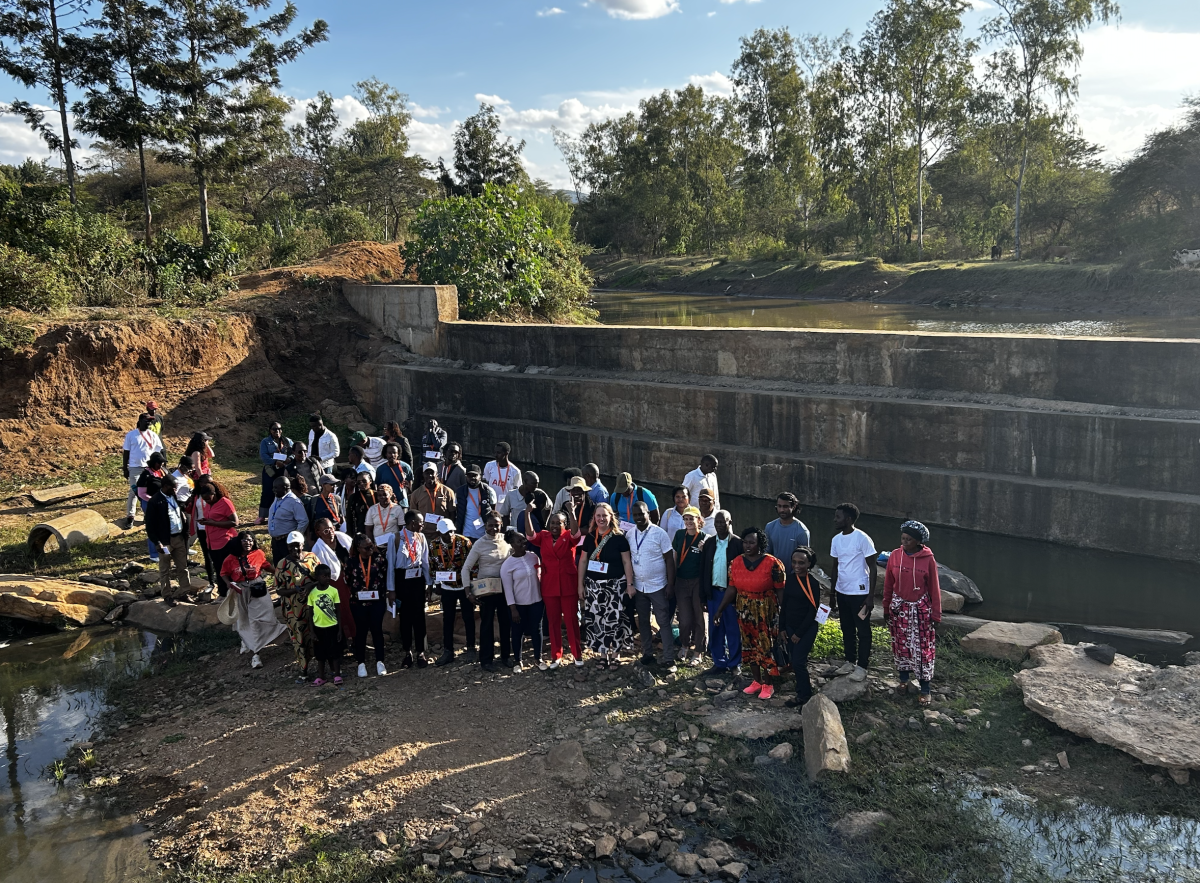
This learning brief, authored by Fatema Rajabali, captures key insights from a locally led adaptation (LLA) learning exchange convened by CDKN in Kenya in 2025. Bringing together practitioners, researchers, youth organisations and community leaders from nine African countries, the workshop explored what locally led adaptation looks like in practice and what is needed to strengthen and scale it across Africa.
The brief highlights how communities across the continent are combining Indigenous Knowledge, lived experience and scientific information to respond to climate change, while demonstrating that effective adaptation depends on shifting decision-making power to local actors. Through examples from countries including Benin, Cameroon, Ghana, Kenya, Mozambique, Senegal and South Sudan, it shows how local leadership, inclusive governance and strong community participation can strengthen resilience and deliver more equitable adaptation outcomes.
The publication also identifies the enabling conditions needed for LLA to succeed, including flexible finance, stronger governance systems, legal recognition of community institutions and meaningful participation by women, youth and other groups often facing marginalisation. It concludes that scaling adaptation requires not only replicating successful approaches but also transforming systems to embed local priorities and leadership in climate decision-making.
This brief forms part of a year-long CDKN learning process on locally led adaptation with partners across Africa. It captures the core insights that emerged from the regional learning exchange and lays the foundation for a forthcoming synthesis report, which builds on the workshop through a series of collaborative reflection and writing processes with partners.
Please see the attached versions in English, French and Portuguese.