Centring human rights in ecosystem-based adaptation
Centring human rights in ecosystem-based adaptation
This policy brief, written by CDKN’s Hannah Sack and Nadia Sitas and published by the South African Institute of International Affairs (SAIIA), explores how a human rights-based approach (HRBA) can strengthen ecosystem-based adaptation (EbA) to climate change. EbA uses biodiversity and ecosystem services to help communities adapt, offering cost-effective, equitable and scalable solutions when designed and implemented appropriately.
The brief argues that EbA is only truly effective when grounded in principles of equity, inclusion and justice, as set out in Section C of the Kunming–Montreal Global Biodiversity Framework. Without these safeguards, adaptation efforts risk reinforcing existing inequalities, displacing vulnerable communities, or directing resources away from those most in need. An HRBA helps address such risks by embedding participation, accountability, non-discrimination and transparency in all stages of EbA design and implementation.
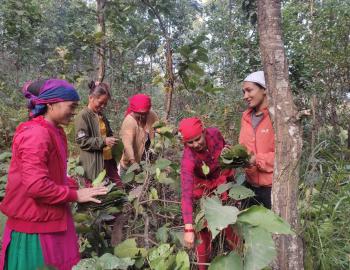
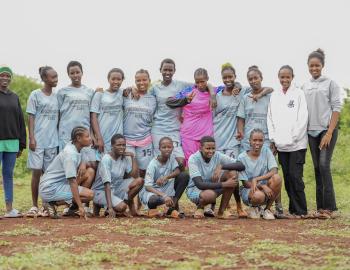
A central takeaway is that locally led, rights-based approaches deliver more sustainable and transformative outcomes. Case studies from Benin and Kenya demonstrate how integrating Indigenous Knowledge, strengthening community leadership, and ensuring inclusive participation - particularly of women, youth and marginalised groups - can enhance both ecosystem resilience and livelihoods.
The brief also highlights the need for stronger institutional coordination, improved national reporting mechanisms, and increased finance for locally led adaptation, noting that only a small share of climate finance currently reaches local actors.
Read the full policy brief on the SAIIA website