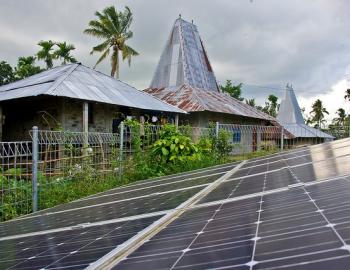
The project aims to improve national climate finance readiness for Indonesia and is in line with CDKN’s focus of mobilising and leveraging funds for climate compatible development.
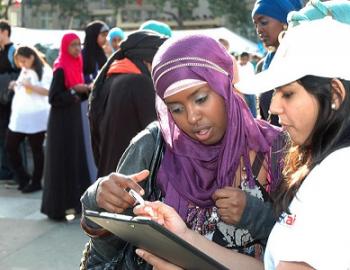
A new initiative will use state-of-the-art science to help Asian and African societies to understand the role of climate change in extreme weather events and prepare for future ones.
CDKN supported a project to facilitate Karachi city district government in heat wave management. The activities were designed to initiate a process at the localised level which can build towards the development of heat wave management plan for Karachi.
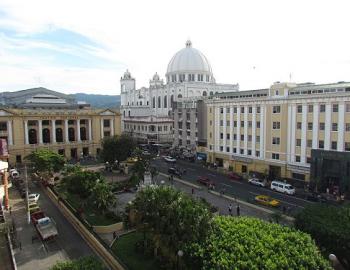
This project supports decision-makers in San Salvador prioritise actions to tackle the economic and social impacts of temperature increases in its most affected sectors.
CDKN supported the implementation of the 'Footprint of Cities' project, through measuring carbon and water footprints as indicators for urban management.
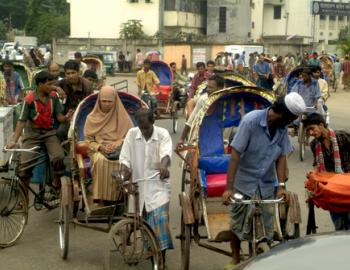
CDKN is requested to support private banks and financial institutions in Bangladesh in building their capacity and raising awareness on climate finance mechanisms particularly to support access to international funds from the Private Sector Facility window of Green Climate Fund.
This project brought a water-energy-food (WEF) ‘nexus approach’ to analyse trade-offs across sectors and scales of governance; working closely with the national governments of Brazil, Colombia, and Peru.
This project will package and consolidate Ethiopia’s GCF programmatic proposals – one focusing on the industry, urban development and the energy nexus and the other on land use sectors (i.e. agriculture, water and forestry)