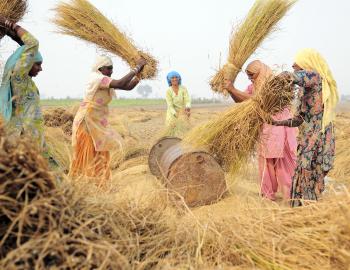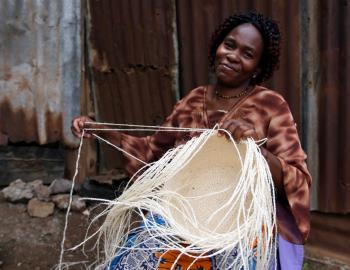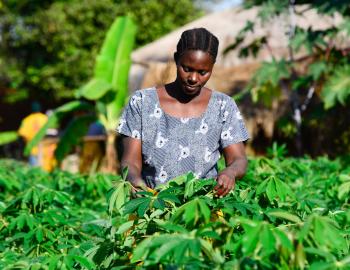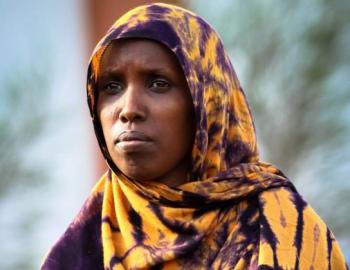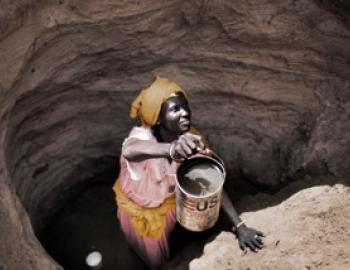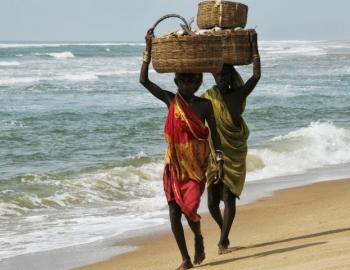
The GESI priority area focuses on empowering those most affected by climate change, including women, girls, youth, Indigenous communities, people living with disabilities (PLWD), and other disadvantaged groups.
Feature
2nd June 2014
Gender inequality and urban informality
Charlotte Scott argues that climate compatible development in growing informal settlements requires a broader understanding of the impacts of climate change on women to build truly adaptive and inclusive cities.
News
27th May 2014
The gender dimension to climate compatible development
CDKN's global team discusses the disproportionate effects of climate change on women and the need to include a gender dimension in the planning process for climate compatible development.
Resource
13th May 2014
FILM: The gender dimension to climate compatible development
CDKN's global team discusses the disproportionate effects of climate change on women and the need to include a gender dimension in the planning process for climate compatible development.
Feature
14th April 2014
How Kenya can turn its gender and climate change commitments into reality
Kenya has strongly promoted gender equity and women’s participation in climate change mitigation and adaptation programmes. Emma Bowa of CARE Kenya talked to CDKN's Giovanna Grandoni about whether these aspirations have translated into reality.
Resource
18th March 2014
POLICY BRIEF: How should the new international disaster framework address gender equality?
The lack of attention to, and misunderstanding of, gender inequality prevents the effective reduction of disaster risks. This policy brief by Dr Virginie Le Masson and Lara Langston highlights the need for specific gender-related measures to be included in the successor agreement to the Hyogo Framework for Action.
Indian climate plans to bring gender perspectives
Aditi Kapoor of Alternative Futures presents her organisation's work to make Indian States' climate plans more sensitive to gender issues - with CDKN support.
Learning lessons from Manatí’s resilient women
A project in Colombia is investigating how women were affected by devastating floods in 2010 and 2011. The hope is to pass on knowledge about how they reacted and coped, to help other communities prepare for similar disasters.
This project aims to address the gap between knowledge on gender and climate finance issues and demonstrate that attention to gender issues can strengthen the impact and effectiveness of climate finance, in particular mitigation finance