Implementing the Monitoring, Evaluation, Reporting & Learning (MERL) tool in Kenya
Implementing the Monitoring, Evaluation, Reporting & Learning (MERL) tool in Kenya
Context
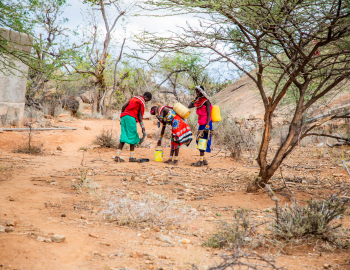
Kenya has mainstreamed climate change into national and county planning through the National Climate Change Action Plan (NCCAP III), Vision 2030, County Integrated Development Plans (CIDPs), and County Climate Change Funds (CCCF). However, existing M&E systems do not adequately disaggregate or track climate-specific investments, outcomes, and impacts. This creates challenges in measuring climate actions effectiveness, demonstrating results to mobilize finance, ensuring sustainability of projects, and accurate reporting to national and global frameworks.
In response, CDKN Kenya is supporting the development of a Monitoring, Evaluation, Reporting and Learning (MERL) tool through a highly participatory co-creation process. The initiative addresses documented gaps identified in longitudinal studies and stakeholder consultations, with strong ownership from the Ministry of Environment, Climate Change and Forestry (MECCF) and pilot counties.
Project objectives
-
Develop and operationalise a digital MERL knowledge brokering tool to track climate projects/investments’ outcomes, impacts, and lessons for evidence-based policy and practice.
-
Standardise climate change indicators through a national Indicators Handbook across key sectors.
-
Strengthen capacity of national and county institutions (including Training of Trainers) to use the tool for monitoring, reporting, and adaptive management.
-
Enhance tracking of climate finance, locally-led adaptation, and GESI/EbA dimensions to support better resource allocation and sustainability.
-
Generate knowledge products and policy influence to institutionalize MERL practices and inform national/global climate financing mechanisms.
Project activities
-
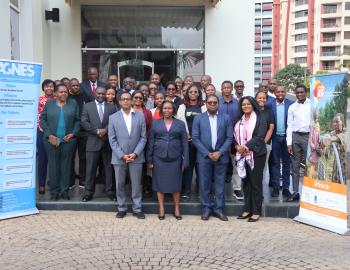
County inception meetings, consultative sessions with MECCF, CoG, and other ministries.
-
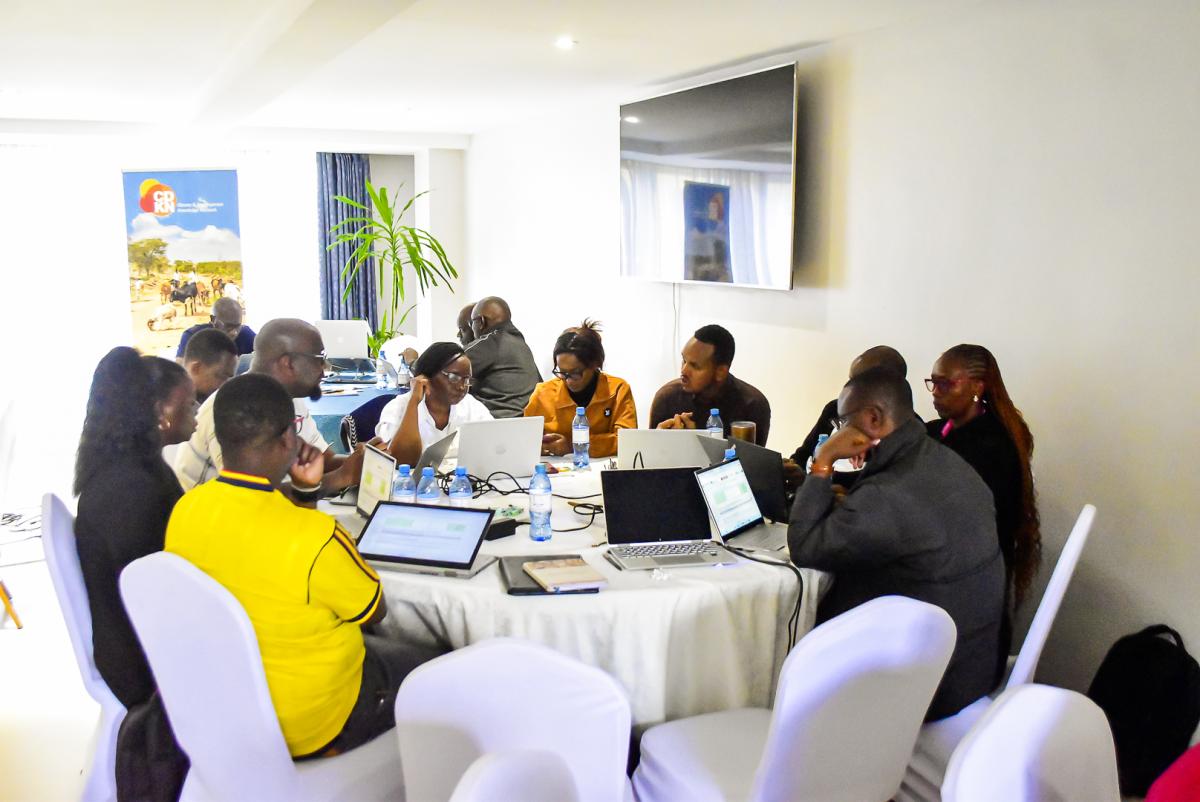
Mapping and co-creation of baseline climate indicators and the MERL tool design through national and county workshops.
-
Development and iterative refinement of the digital MERL Tool (data input from pilot counties, dashboards, reporting) and indicators
-
Tool testing in Makueni and Vihiga counties.
-
Validation workshop
-
Development of User Guidelines, institutionalising, and Training of Trainers for 13+ counties and national entities.
-
Policy engagement, including policy briefs and sensitisation with county assemblies/executives.
-
Knowledge management: blogs, workshop reports, explainer videos, and dissemination events.
Project outputs
-
Digital MERL Knowledge Brokering Tool (live at: https://merl.onrender.com/index.html – with tiered logins for national, county, and ward users)
-
Climate Change Indicators Handbook (51 harmonised indicators across thematic areas including strong GESI and EbA focus) led by WRI and supported by CDKN
-
MERL Tool User Guideline
-
Knowledge product/publication on “Local data informing national and global climate financing mechanisms”
-
Workshop reports, blogs (including co-creation insights), and explainer videos
Contact
For more information, please contact:
- Esperanza Karaho on esperanza@southsouthnorth.org or LinkedIn
- Robi Redda on robi@southsouthnorth.org