Learning from the ground: How science and local knowledge are reducing climate risks in the coastal city of Saint-Louis, Senegal
Learning from the ground: How science and local knowledge are reducing climate risks in the coastal city of Saint-Louis, Senegal
By Jean-Pascal Correa, CDKN Senegal Country Engagement Lead and ENDA Energie Programme Coordinator; Ndèye Mané Fall, Project Assistant and Communications Officer, ENDA Energie; and Amanda April, CDKN Africa Country Programme Manager
Senegal, with its long coastline and location within the vulnerable Sahelian zone, is highly exposed to climate change impacts. While adaptation is prioritised in national policies, the needs and priorities of local actors are not always fully integrated into planning and decision-making processes.
Along Senegal’s northern coast, the communities of Saint-Louis face intensifying floods, soil erosion, and deep climate uncertainty. Through the Climate and Development Knowledge Network’s (CDKN) programme in Senegal, implemented by ENDA Energie, local knowledge and climate science are being brought together to help residents anticipate risks and act before crises strike. This initiative explores how a climate-sensitive early warning system (EWS), currently under development, is strengthening resilience in northern Senegal by providing local actors with the tools needed to forecast and prevent climate disasters.
The goal is to move beyond high-level planning to directly strengthen the region’s most productive sectors. To achieve this, the team is developing an experiential framework designed to answer two fundamental questions for the community:
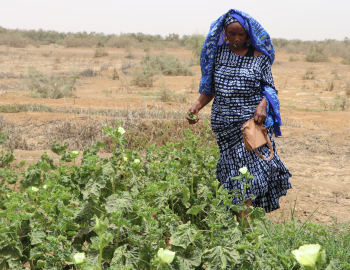
- Direct risk assessment: What specific climate risks do producers – including fishermen, farmers, and livestock breeders – encounter in their daily operations?
- Adaptive capacity: Which existing response capabilities need to be bolstered or adjusted to ensure livelihoods remain viable under changing conditions?
Ongoing interactions with mayors, the private and research sectors, and community leaders are paving the way for broader and continued stakeholder engagement, bridging the gap between scientific data and the practical tools needed by those whose economic survival depends on the environment.
Strengthening early warning systems in northern Senegal
Senegal has made climate adaptation a national priority, enshrined in Vision Senegal 2035, the Emerging Senegal Plan, and its Nationally Determined Contribution. These national frameworks reflect the country’s commitment to integrating climate risk management into the core development agenda, aligning with international standards such as the Sendai Framework for Disaster Risk Reduction.
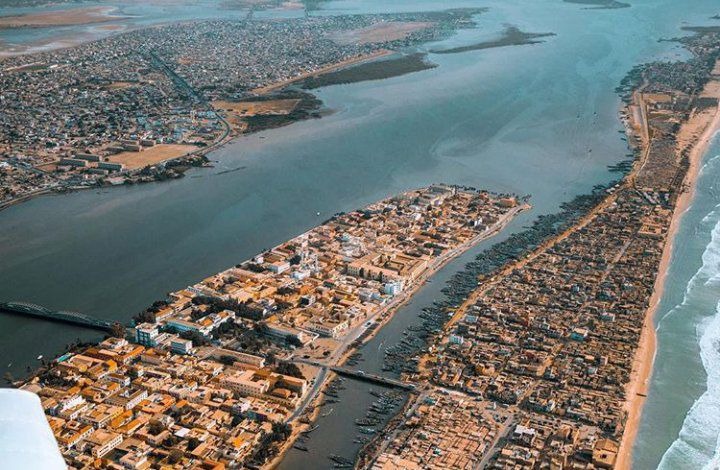
Faced with the increased recurrence of climate hazards such as flooding, the Saint-Louis region has emerged as a pioneer for resilience rooted in local action. The CDKN Senegal programme focuses on valuing local knowledge across three regions: Saint-Louis, Kolda, and Fatick. In Saint-Louis, the impacts are visceral. Recurrent floods, prolonged droughts, high winds, land salinisation, and coastal erosion directly threaten infrastructure, food security, and the traditional livelihoods of the community, which rely heavily on fishing and agriculture.
To strengthen the integration of climate data into policymaking, Senegal’s National Agency for Civil Aviation and Meteorology (ANACIM) is developing a national Climate Action Plan in partnership with the World Meteorological Organization (WMO). While this process is being decentralised to regions such as Saint-Louis, many existing local frameworks remain primarily focused on food security and do not yet fully incorporate broader climate risks or systematically feed into national planning processes.
The CDKN-supported initiative strengthens local climate risk management through a participatory approach. It begins by mapping existing local early warning systems, assessing their limitations, and identifying opportunities for improvement. The approach is guided by the four pillars of effective early warning systems identified by the WMO:
- Risk awareness
- Monitoring and forecasting
- Dissemination and communication of alerts
- Response capacity of stakeholders
These pillars are adapted to local realities by integrating modern technologies with endogenous knowledge systems. This combined approach aims to support more effective, community-informed climate preparedness and collective action.
A collaborative implementation framework
The success of this EWS depends on deep collaboration between technical services, local authorities, and national bodies. This includes the Organisation for the Development of the Senegal River – vital since Saint-Louis borders the river – and ANACIM.
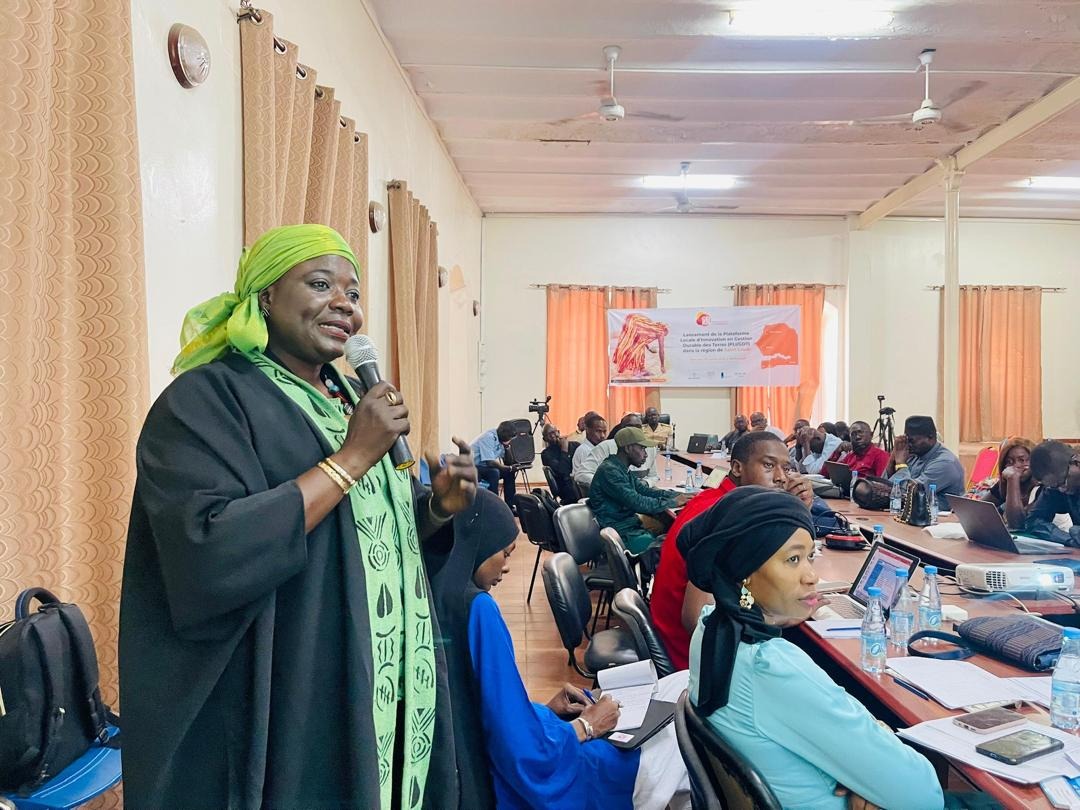
The implementation process is built on a foundation of robust collaboration between technical services, local authorities, research institutions, and national statutory bodies. As a dedicated knowledge broker, CDKN plays a critical role in convening and aligning the interests and priorities of diverse stakeholders – coordinating the workshops and institutional meetings necessary to bridge the gap between policy and practice.
The project’s working group was strategically formed based on the unique mandates of each entity. Key partners include:
- National Agency for Civil Aviation and Meteorology: Providing the essential meteorological data and national climate oversight.
- The Organisation for the Development of the Senegal River (OMVS): A vital partner given that Saint-Louis sits at the mouth of the Senegal River.
- Community-based organisations: Ensuring the voices and traditional knowledge of residents are centred in the design.
- Research and local government technical support structures: Offering technical expertise to ensure the system is both scientifically sound and locally relevant.
Together, these actors are working to design a climate contingency plan tailored to the specificities of the territory, intending to anticipate crises and strengthen the security of both populations and livelihoods. The system also includes an analysis of sectors most exposed to climate risks – such as agriculture, fisheries, livestock, health, energy, and infrastructure – to propose differentiated and context-appropriate responses.
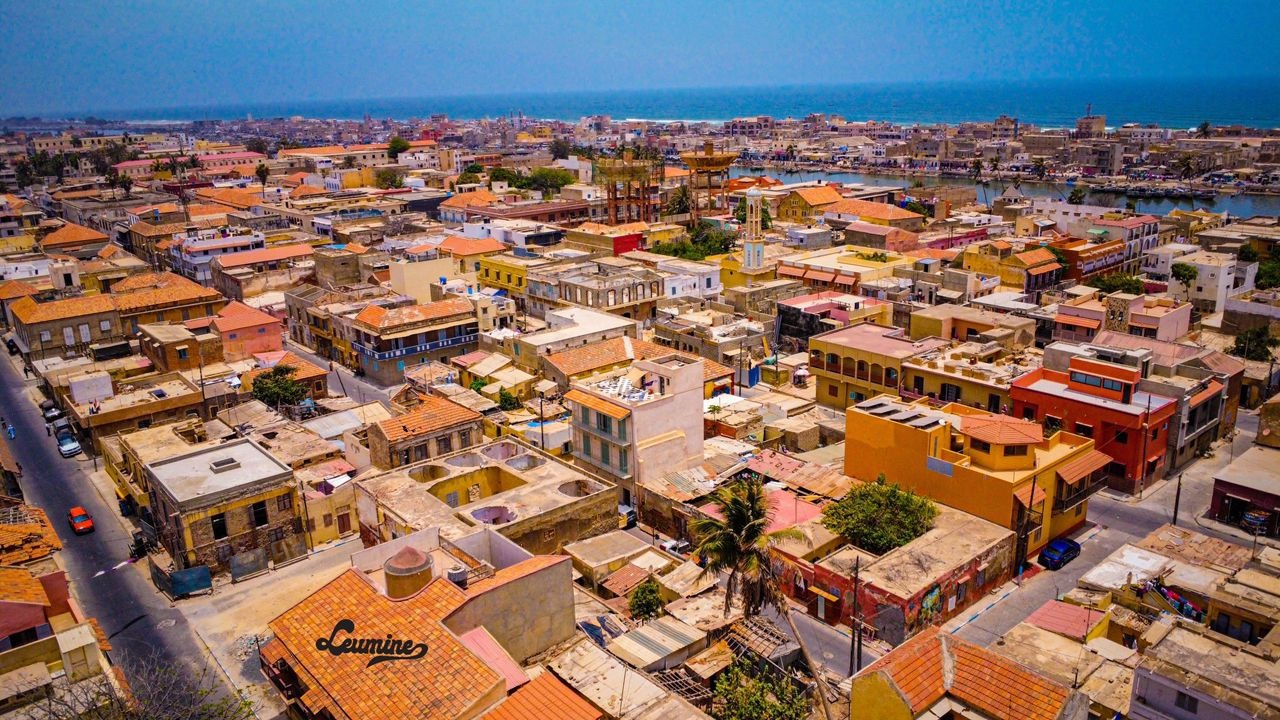
Beyond the diagnostic phase, the project aims to create a functional map of climate risk warnings in northern Senegal, identifying practices that can be replicated elsewhere. To support long-term impact, the Mayor of Saint Louis has signed a decree to institutionalise this work and strengthen the links between science, policy, and communities.
Scaling through strategic partnerships
In a move to ensure long-term sustainability and scale, a collaborative framework is also being explored with the Senegal River Valley Community Resilience and Development Project (PRDC-VFS). Funded by the World Bank and active across northern Senegal, the PRDC-VFS offers a powerful platform for the pilot.
By aligning with this large-scale programme, CDKN aims to determine the most effective practical framework for analysing and deploying the EWS currently under development. This partnership will ensure that climate resilience is not just a standalone project but a foundational component of regional development that can be scaled across the entire Senegal River Valley.
Learn more about CDKN Senegal’s work here.