
Disability inclusion is strongest when intentional: Reflecting on the Climate Resilience for All webinar
Disability inclusion is strongest when intentional: Reflecting on the Climate Resilience for All webinar
In April 2026, CDKN co‑hosted with the Norwegian Federation of Organisations of Persons with Disabilities (FFO) a webinar on strengthening disability inclusion within gender equity and social inclusion (GESI)‑responsive climate action in Africa. With an array of speakers sharing insights from science, policy, and practice, the webinar emphasised the importance of integrating disability meaningfully into climate policy and action frameworks across the continent.
Discussions throughout the webinar reinforced that inclusive climate action is both a moral imperative, as well as a practical necessity. As the keynote speaker, Anna Grace, Project Officer in Gender, Disability & Climate Justice at Integrated Disabled Women Activities (IDIWA), reflected, “Climate resilience is strongest when it is inclusive, and inclusion is strongest when it is intentional.” Her message set the tone for a conversation grounded in lived experience and action‑oriented approaches.
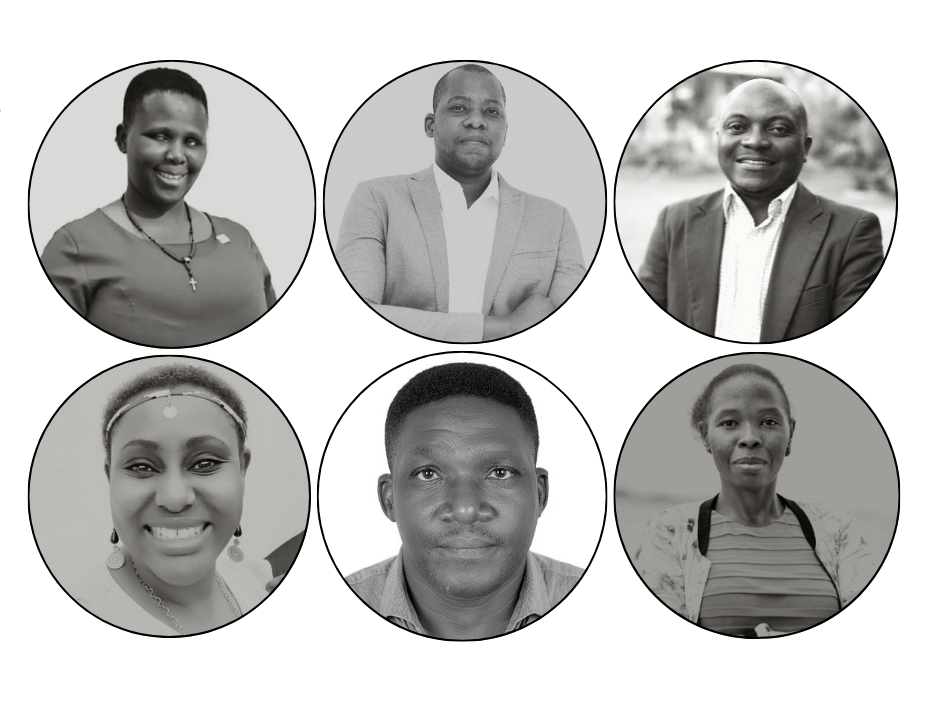
The webinar hosted a range of speakers active in the space of disability-inclusive climate action in Africa. They all highlighted the structural barriers that continue to marginalise persons with disabilities in climate decision‑making spaces, while also pointing to proven pathways for change. Drawing on his work in Mozambique, Clodoaldo Castiano, Executive Director of FAMOD, noted that progress has been most tangible where advocacy is both strategic and grounded in evidence, observing that “our advocacy has been most effective when it combines partnerships with capacity strengthening of organisations of persons with disabilities and the strategic use of evidence.”
This focus on dignity, agency and representation was echoed by Bruce Chooma, Head of Programmes at Disability Rights Watch, who emphasised the human rights foundations of disability‑inclusive climate action. He underscored that “the aspect of disability inclusion in climate action really speaks to the dignity of people with disabilities,” reinforcing the need to move away from charity‑based approaches toward rights‑based and participatory models. He emphasised that curving sustainable adaptation pathways for persons with disabilities requires respecting their agency and voice, and investing in reasonable accommodation measures to ensure actions reflect their priorities and constraints; so that they are enabled to meaningfully participate. He also spoke of the importance of self-representation by persons with disabilities in decision making structures around the climate change response from policy and law to programme development and implementation.
Financial inclusion also emerged as a critical enabler of climate resilience. Martin Ssennoga Kigozi, Programme Manager at the National Union of Disabled Persons of Uganda (NUDIPU), highlighted how access to appropriate financial mechanisms can strengthen adaptive capacity, noting that “financial inclusion actually plays a very important role in enhancing resilience of persons with disabilities.” Such approaches can help reduce dependency, strengthen livelihoods and support long‑term resilience.
The broader framing of climate change itself was challenged during the webinar. Josephine Mwatibo, Disability Focal Point for the United Nations Framework Convention on Climate Change (UNFCCC), urged participants to rethink dominant narratives, asserting that “climate change is not an environmental issue. It is a justice issue.” Her intervention highlighted the need to centre equity, participation and rights in climate policies and programmes.
Climate change continues to amplify social inequalities across Africa, disproportionately affecting groups experiencing vulnerability, including women, youth, older persons, informal settlement dwellers and persons with disabilities. Disability often intersects with other social categories, further deepening marginalisation. Within CDKN’s Gender Equality and Social Inclusion (GESI) mandate, disability is therefore recognised as a distinct yet interconnected dimension of exclusion that requires targeted and intentional action.
Persons with disabilities frequently face exclusion from climate‑related decision‑making, adaptation programmes and early warning systems. They also encounter social, cultural and physical barriers during climate‑induced displacement and emergencies, alongside limited access to resilience‑building initiatives. As a result, disability inclusion remains under‑represented in many national and local climate responses.
Against this backdrop, the “Climate Resilience for All” webinar provided a vital platform for CDKN projects and partners, disability‑focused organisations, practitioners and researchers to share lived experiences, strategies and lessons learned. The collective message was clear: integrating disability within GESI‑responsive, GESI-transformative and locally led climate action is essential for building climate resilience that truly leaves no one behind.
To learn more watch the recording from the webinar here.